
These Lawmakers need to realize they need to stop going against what the public want.
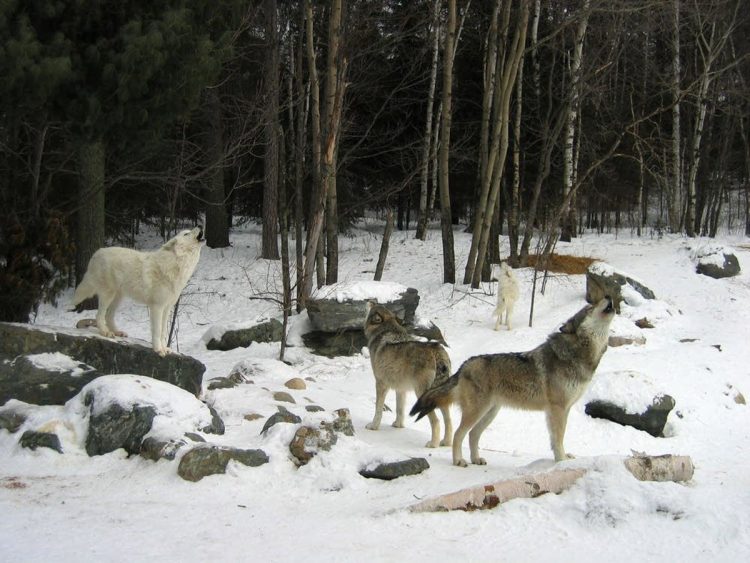
The resurgence of the wolf has led some Wisconsin lawmakers to call for the delisting of the gray wolf from the endangered species list.
“The U.S. Fish and Wildlife Services under the Obama administration agreed that the numbers have recovered,” said Congressman Sean Duffy, R-Wausau, who has led the legislation. “So, now we’re just working through the process to get it delisted.”
According to DNR surveys, the minimum number of wolves in the winter was somewhere between 866-891, which is the highest it has been in the modern era.
The DNR’s original estimates planned for around 350 wolves established in the management plan drafted in 1999.
DNR wildlife biologist David M. MacFarland, who coordinates the state’s wolf program, says those estimates are just that, estimates, and a high number isn’t a cause for concern.
“The population is doing really well, it’s healthy and expanding,” MacFarland said. “It’s at a record high right now.”
In Jackson County, the estimate is around 104-110 wolves throughout Zone 5, which is primarily the Black River State Forest, according to the numbers from the 2015-2016 winter survey. Wolves are also established in northeast Monroe County.
Higher wolf numbers have triggered complaints from hunters or farmers, and Duffy, whose constituency covers a large portion of the northwoods, says he receives complaints almost every day regarding wolves.
“The main problem is with farmers being able to protect their lands,” Duffy said.
DNR statistics note there has been around 41 hunting dogs killed and around 30 farms have experienced some sort of conflict with wolves.
MacFarland says the DNR hasn’t received any reports of attacks on humans. The wolf is actually considered less dangerous to humans than otters, since there has been one report of someone being bitten by an otter while swimming.
Right now the only way to get the wolf officially delisted would be to pass legislation to remove the current federal restrictions.
“It was a D.C. judge who put the wolf back on the list, and we want to put that power back into the states’ hands and let them manage the population,” Duffy said.
Duffy sponsored a bill in the House while Wisconsin U.S. Senators Ron Johnson, R-Oshkosh, and Tammy Baldwin, D-Madison introduced similar legislation that would essentially return management authority back to the states.
The legislation would still allow for the U.S. Fish and Wildlife Services to place the wolf back on the endangered list if necessary, but it would remove the ability for a court appeal. This would ensure that decisions like this should be left to wildlife experts and not the courts.
There have been similar proposals throughout history with little success since delisting is usually a federal issue, but Montana set a precedent for being able to legislatively delist the wolf, and the bills in Wisconsin closely resemble that Montana proposal.
Assumptions questioned
Not everyone believes the wolf population is on solid footing. A University of Wisconsin-Madison study released last week suggests that state officials have underreported wolf deaths.
The report, published in the Journal of Mammology, reviewed the deaths of 937 wolves from 1979 to 2012. Of the 431 dead wolves that were equipped with radio collars, the study estimated 64 percent died of human causes.
The report says the DNR has underreported poaching.
“Because our estimates of poaching risk and overall mortality rate exceeded official estimates after 2012, we present all data for transparency and replication,” the study says. “More recent additions of public hunting quotas after 2012 appear unsustainable without effective curtailment of poaching.”
The DNR held three hunting seasons from 2012 to 2014, in which 528 wolves were killed before a federal judge halted the hunt.
The study described future hunting and trapping of wolves as “risky” and said if poaching remains underreported, it “will risk unsustainable mortality and raise the possibility of a population crash.”
Source: Congressman Duffy and others call for federal delisting of the wolf | Local | lacrossetribune.com